
How We Tested
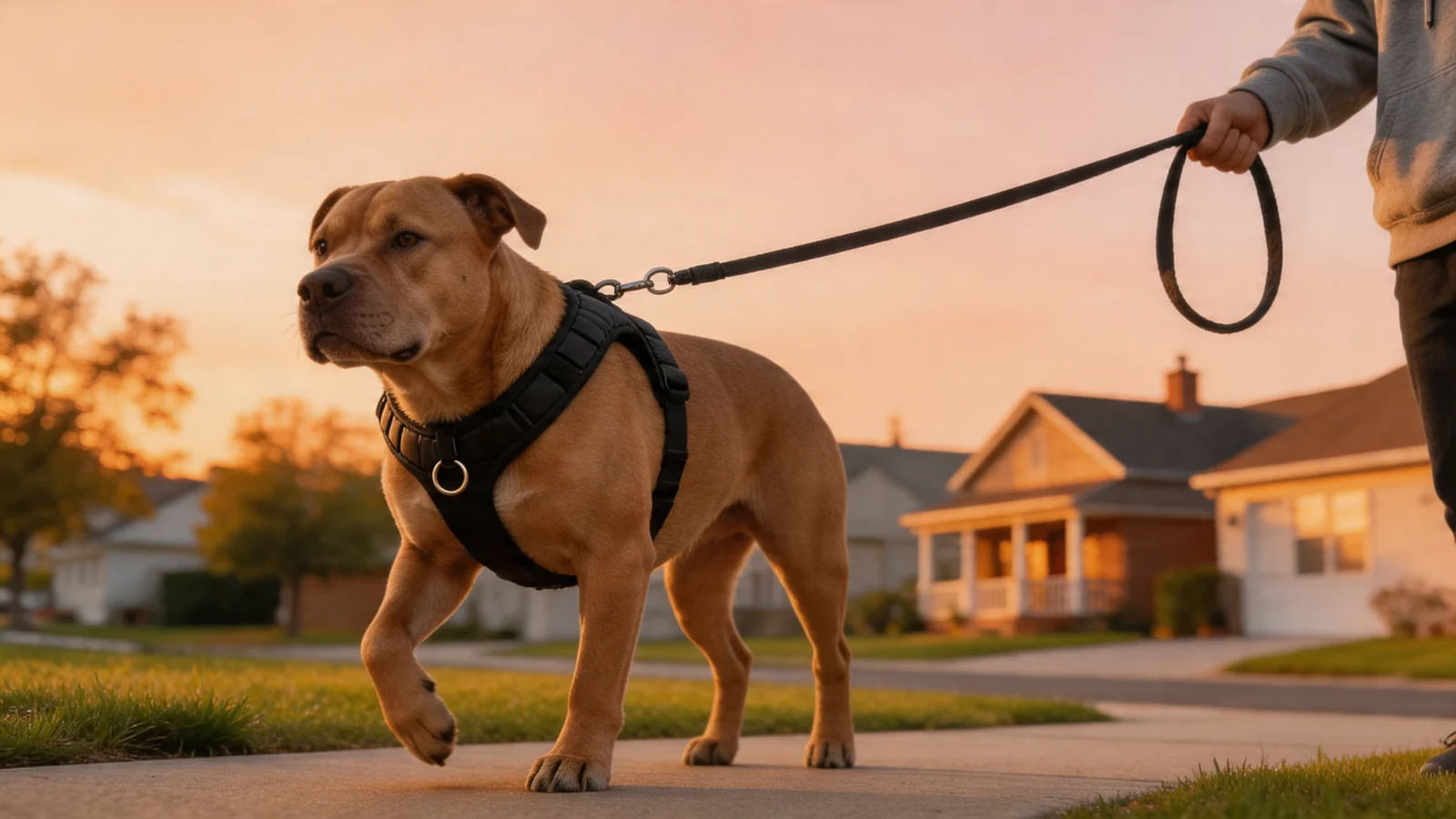
We ran each harness for 10 days on Bruno, a 70 pound pitbull mix with a long history of pulling. Scored on: actual pulling reduction, fit, durability across 30+ miles, and ease of putting on.
Front-Clip Harnesses Are the Real Answer
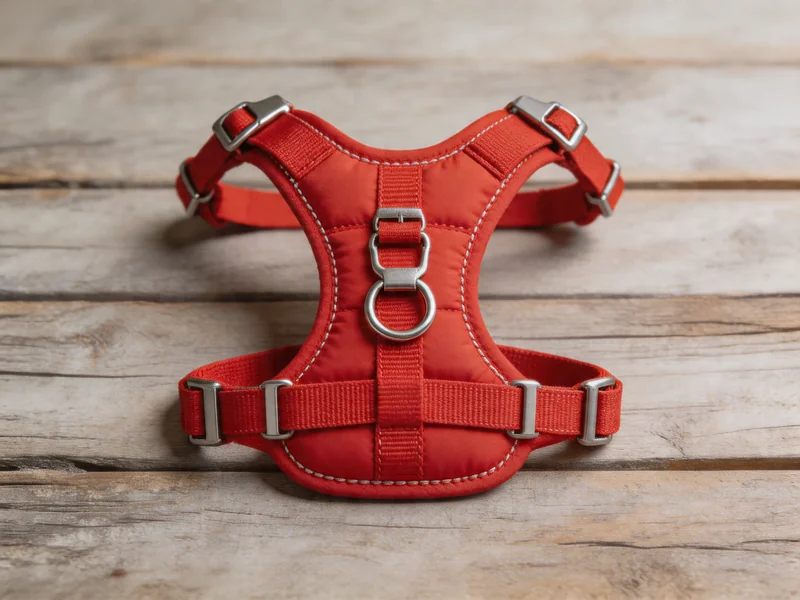
Front-clip attachment redirects forward momentum into a gentle sideways turn. It's mechanical, not training. Most pullers stop pulling within a week of switching.
See Ruffwear DirectRuffwear Front Range Harness
Front and back attachment points, padded, 4-point adjustment. Reduced Bruno's pulling by an estimated 60% in the first week. Our full Ruffwear Front Range review covers the long-term durability.
See RuffwearPetSafe Easy Walk Harness
Budget front-clip design at ~$25. Less padded than Ruffwear, less durable long-term, but the mechanical anti-pull function works about as well. For pet parents who want the anti-pull benefit at a lower price, this is the right pick.
Ruffwear Flagline
Double belly strap, wrap-around construction. Escape-proof for dogs who have learned to back out of standard harnesses. Slightly bulkier but worth it for escape artists.
See FlaglineBlue-9 Balance Harness
Similar concept to Ruffwear but with a slightly different front-clip geometry that some trainers prefer. Adjustable at six points. Popular with force-free trainers.
Chewy Frisco Outdoor Harness
$15 to $25 depending on size. Front and back clips, basic padding. Held up for 3 months of daily use before showing noticeable wear. Fine for moderate pullers or short-term use.
See Frisco on ChewyFreedom No-Pull Harness
Front clip plus a back martingale loop that tightens slightly when the dog pulls. The most mechanically aggressive anti-pull harness we tested. Works for severe pullers but may be more correction than some pet parents want.
Bought a harness, still pulling?
The harness is step one. The training routine that rebuilt our dog's baseline arousal is the longer-term fix. Our 20-minute routine writeup walks through it.
See the Training FrameworkWhat to Look For
- Front-clip attachment. Essential for reducing pulling mechanically.
- Adjustability at chest and belly separately. Fit matters for deep-chested breeds.
- Padded stress points. Long walks + bare nylon = chafing.
- Quality hardware. Aluminum D-rings outlast plastic.
The Training Reality
A good harness reduces pulling by 40 to 70% immediately. Real, permanent change still requires training. The harness buys you enough slack to actually train. See our 20-minute morning routine for the training framework that rebuilt our own dog's leash behavior.